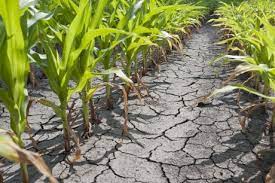
The state typically leads the nation in the production of honey. The weekly crop report from the National Agricultural Statistics Service shows North Dakota farmers and ranchers continue to struggle, with the majority of many crops rated as poor or very poor. Sugar beets and potatoes in the eastern Red River Valley appear to be an exception — about three-fourths of both crops are rated fair to good.
Alfalfa hay is on the opposite end of the spectrum, with 83% of the crop rated poor or very poor. Pastures and range land also continue to suffer, rated 84% poor or very poor. And stock water supplies are 92% in those categories.
“Water quality concerns due to evaporative concentration and harmful algal blooms remain a significant threat to wildlife and livestock in smaller lakes, wetlands and water supply features,” the National Weather Service said in its latest drought briefing.
The crop report rates 75% of topsoil and 87% of subsoil in North Dakota as being short or very short of moisture — slight improvements over the week.
The state and federal governments have implemented numerous programs to help drought-stricken producers. Details on available drought resources in North Dakota can be found at https://www.nd.gov/ndda/drought-resources. Producers can access the federal Agriculture Department’s Disaster Assistance Discovery Tool or Disaster-at-a-Glance fact sheet at www.farmers.gov.
The North Dakota Emergency Commission on Thursday added to the available aid when it approved $2.5 million to reactivate the Emergency Feed Transportation Assistance Program. It reimburses a portion of hay hauling expenses for drought-stricken ranchers.
“The widespread nature of this devastating drought is forcing North Dakota ranchers to go hundreds of miles to find hay to keep their cattle fed and maintain their herds, adding extra costs to their operations at an incredibly challenging time,” said Gov. Doug Burgum, who chairs the commission. North Dakota has been warmer and much drier than average since last October, according to the weather service. The state was getting rainfall late this week, but the longer-term outlook remains bleak.
“September is favored for above-average temperatures and below-average precipitation across all of North Dakota,” the agency said in its drought briefing.
“Regrettably, even if there was a return to near-normal precipitation for this time of year, there is no reason to believe these problems will go away anytime soon, and are now likely to persist going into winter,” the weather service said. “The region would need a persistent near-normal to above-normal precipitation pattern to alleviate most of these concerns.”
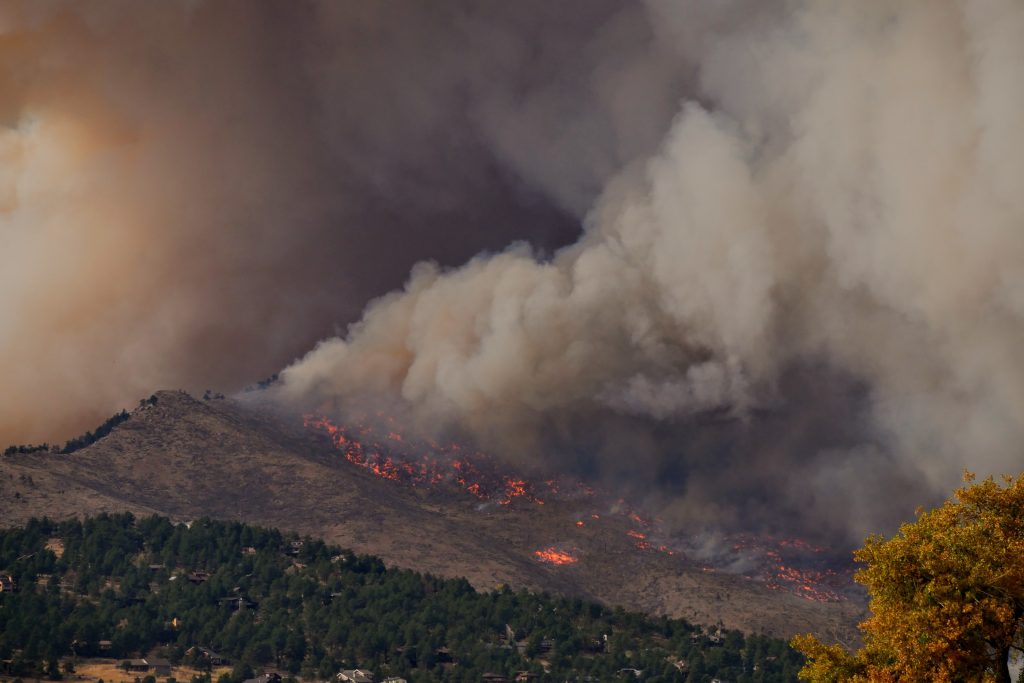
The conditions this summer have led to about 2,200 wildfires that together have scorched an area six times the size of Bismarck. The state typically has two wildfire seasons — before spring green-up, and in late-summer and fall when new-season grasses dry out, or cure. Grasses south and west of the Missouri River have now fully cured, according to the weather service.
“In addition, some areas continue to have a good stand of cured fuels from last year, with minimal growth on this year’s grass due to the drought and unfavorable temperatures during the growing period,” the agency said. “This continues to bring increased fire concerns.”
The dry conditions also are impacting North Dakota lakes, and the state Game and Fish Department this week cautioned that boating access is likely to be affected as ramps become more exposed.
“Boaters should back their trailer in slowly and be aware of the end of the ramp on lakes with lower-than-normal water levels,” Fisheries Development Supervisor Bob Frohlich said. “And it’s likely that some lakes could still lose another 1-2 feet of water this year given the extremely dry conditions.”
Source: https://bismarcktribune.com/news/agnews/wildfires-agriculture-boating-access-remain-concerns-as-drought-persists/article_3ae6da1b-9904-5158-9a23-751f2181dedc.amp.html

 Previous Post
 Next Post