Around 980,000 Haitians in the four districts most affected by the August 14 earthquake are now living with acute food insecurity, according to new UN food security data released on Thursday.
Following the release of its findings, the UN Food and Agriculture Organization of (FAO) urgently called for more investment to help rural Haitians go back to small-scale farming and avoid a worsening of the food crisis.
Haiti is the poorest country in the western hemisphere and has long been vulnerable on multiple fronts.
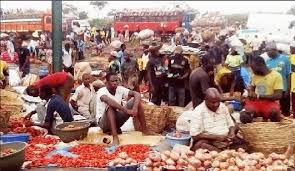
Last month’s earthquake destroyed markets, roads, storage and processing facilities, dairies, and irrigation systems. Tropical Storm Grace, which hit days after the seismic event, caused additional damage.
FAO Representative in the country, Jose Luis Fernandez, said that “on top of a succession of disasters and crises, this latest double whammy has left people’s ability to produce and to access food for their families and communities, in tatters.”
“With the October winter planting season just around the corner, we can’t wait to invest in rebooting agricultural production. That must happen immediately, but we are hampered by low levels of funding for this critical work,” he added.
Even before the 7.2 magnitude earthquake, poverty, civil unrest, political and economic instability – combined with recurring natural disasters and the effects of COVID-19 pandemic – had turned Haiti into one of the worst-affected areas in terms of food supply.
At the time, 4.4 million people were facing crisis or even worse levels of acute food insecurity, as measured on the official IPC food security scale.
Targeting those most in need
A 7.2 magnitude earthquake that ripped through Haiti was followed days later by Tropical Depression Grace, devastating populations in the Caribbean Island State.
The earthquake was followed days later by Tropical Depression Grace, devastating populations in the Caribbean Island State, by IFRC
Around 60 percent of rural Haitians rely on agriculture for their livelihoods. For families with fewer resources, backyard food production is critical.
FAO is calling for $20 million to help support to protect and restore the livelihoods of 32,000 highly vulnerable rural households. The funds are also needed to rehabilitate the community agricultural infrastructure.

 Previous Post
 Next Post