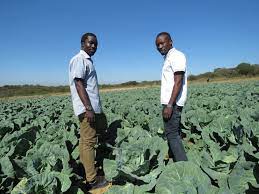
Those measures led to the initial predications of a minimum of 11 percent growth, and the decent rains and better use of the inputs meant the farmers increased the value of their production by more than a third.
“As a result of the above supportive measures, the crop and livestock assessment report indicates an overall 23 percent increase in area planted for crops to 3,5 million hectares in the 2020/2021 season. During the first six months of the year, the Budget disbursed $$11,9 billion to the ministry for targeted interventions which were complemented by US$10,9 million from development partners,” he said.
He said the UNDP-administered Zimbabwe Resilience Building Fund disbursed US$2,5 million towards provision of technical and financial support for the first and second crop and livestock assessment, training of 1 045 agricultural extension workers and 10 785 farmers on resilient and sustainable agriculture technologies in the 18 operational districts, among others.
As part of the development partner support, IFAD also disbursed a grant of US$2 million under the Smallholder Irrigation Revitalisation Programme for rehabilitation of irrigation schemes in Masvingo, Midlands, Manicaland and Matabeleland South.
The support targeted training of extension workers and youths in operations and maintenance at the rehabilitated schemes, conducting of economic and technical feasibility studies at Romsely, Cashel Valley, Mushandike and Silalabhuhla irrigation schemes; and programme operational costs.
Zimbabwe is expected to harvest 2.7 million tonnes of maize during the present summer cropping season, the highest yield in 20 years.
Source: https://allafrica.com/stories/202108020371.html

 Previous Post