Agriculture cannot survive solely on traditional methods and needs large-scale technology interventions
With global population growing at a rate of over 1 % per year, meeting the food requirement of all these people is going to be a challenge in the coming years. One of the ways in which this challenge can be addressed is through adoption of latest technology in the field of agriculture.
Perhaps that is why, the agri-tech sector has been witnessing tremendous growth globally in the last few years. According to a report by Accel Partners and Omnivore, investments in the sector grew from $45.8 billion in 2015 to a whopping $430.6 billion till March 2020. In India too, the agri-tech sector has been rapidly expanding, growing at a rate of 25% annually. Experts believe that this growth can be attributed to increased digitization, government initiatives, and growing investor interest. Reports suggest that the agri-tech market in the country will be worth $24 billion by 2025.
According to a Nasscom study, India currently has more than 450 start-ups in the agri-tech sector that have received over $248 million funding. Notably, every ninth agri-tech start-up in the world is operating from India.
Problems and solutions
More than half of India’s population depends on agriculture as a primary source of livelihood and food. India’s agriculture sector faces challenges like small land holdings, farm labor, outdated techniques and agricultural practices. The agri-tech sector addresses these issues by supplying latest technology to the field to improve all elements of farming and growing processes.
Automation in agriculture
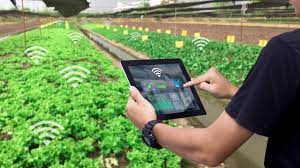
It is often argued that the future of agriculture lies in automation. Modern farming tolls and agricultural automation can help streamline crop production cycle, making it more efficient. Some ways in which automation is currently used in farming include:
Precision or satellite farming
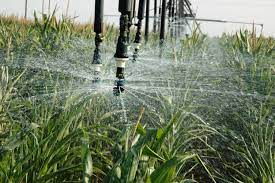
Precision agriculture (PA) or satellite farming is a farming management concept based on observing, measuring and responding to inter and intra-filed variability of crops. The precision farming has been enabled by the advent of GPS and GNSS. It enables real-time mapping of fields and farmland. For example, Israel–based Tevatronic has developed an irrigation controller for precision irrigation that responds in real-time to actual needs of plants while taking into account farmers’ experience. It resolves two problems i.e. over or under irrigation as both cause loss of yield and income. The system is already commercial and is being sold to customers in Israel, US, Sri Lanka, Thailand, Australia and India.
Self-driven tractors
The next are self-driven tractors or driverless tractors. By combining this with the GPS technology, there has been rapid advancements in precision agriculture and farming as a whole. Farmers can now program their tractors, and focus on other operational activities.

 Previous Post