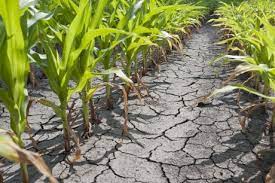
The prevailing dry and hot weather conditions across top producing countries are limiting the production prospects for spring wheat, raising concerns of tightening global supplies for the high protein-content wheat.
Canada, Russia and the US are the world’s top producers and exporters of spring wheat globally, and all three countries have been witnessing severe dryness and drought-like conditions.
In Canada — the largest grower of spring wheat — extreme heat and drought conditions are having a devastating effect on wheat crops grown in the Prairies region, while the neighboring regions in the US are facing similar dry conditions, with major spring wheat producing states in the west the worst hit.
Parts of Russia are also experiencing dryness and rising temperatures, and analysts fear this could hurt spring wheat quality in the country.
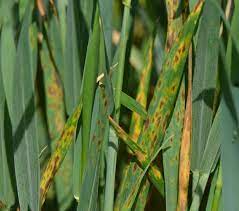
The hard red spring wheat is considered to have the highest protein content of all the wheat varieties and is widely used for artisanal wheat products, and according to experts, extreme heat can affect its ideal protein levels.
Production outlook grim
Top producer Canada saw farmers moving to other crops from spring wheat this season, which resulted in a smaller acreage for spring wheat, the US Department of Agriculture’s latest World Grain Trade report said.
On top of the lower acreage, dry weather weighed on crop yields, which is likely to drag spring wheat production estimates lower year on year.
Canada’s spring wheat output in the 2021-22 marketing year (August-July) is forecast to decline 10.6% to 25.6 million mt, Agriculture and Agri Food Canada said in its latest report.
Similarly, prevailing dry conditions are casting a shadow over the prospects of spring wheat output in the US.
The USDA sees the US’ 2021-22 marketing year (June-May) spring wheat output at a 33-year low of 305 million bushels (8.3 million mt) on the back of sharply lower yield estimates. Last year, the country produced 530 million bu of spring wheat.
In Russia, concerns lay ahead for the spring wheat as the crop is still in the development stage, said Victoria Sinitsyna, grains analyst at S&P Global Platts Analytics.
“Spring wheat is at a less advanced stage and grains are still developing,” she said. “The spring wheat yield can be affected by dryness in the Central and Volga districts.”
Platts Analytics is likely to maintain its estimate for Russia’s overall wheat output in the 2021-22 marketing year (July-June) at 83.6 million mt, including 20.6 million mt of spring wheat harvest, she said.

 Previous Post